







Search Results for: new closing rules

Luckin Coffee's new full scan-to-close rule sparks employee discontent, with cumbersome operations and frequent system failures
At the end of July, Luckin Coffee introduced a new closing procedure called "full scan" within its store system, requiring employees to scan and log every item with an expiration date label in the store one by one fifteen minutes before closing, and repeat the process again on the next morning shift. This move sparked a flood of complaints from frontline employees on social media—already tight staffing was further squeezed, unpaid overtime hours continued to lengthen, and the new system frequently suffered recognition failures and abnormal error reports during scanning, turning this digital initiative aimed at managing shelf-life control into what employees see as a burdensome "white elephant" feature that only adds extra work. This article is compiled from Coffee Workshop and takes you through the specific operational process and the real voices of employees behind this controversy. [more…]

Luckin's New Staffing Reduction Rules Spark Heated Debate: Shift Limits, Solo Store Openings and Closings Leave Employees Saying They Can't Keep Up
The February that just passed put many office workers through a chaotic whirlwind—rushing to finish work before the Spring Festival, relaxing fully during the holiday, and then facing the return-to-work wave, pulled back and forth by piled-up tasks and post-holiday burnout. However, for frontline employees at Luckin Coffee stores, March brings not a breather but an even harsher round of adjustments. Controlling effective working hours, implementing a single person to open early and close the store, freezing full-time hiring and restricting promotion channels—a series of measures to cut labor costs have led employees to mock themselves as not even "Luckin slaves," but more like tireless "Luckin robots." At the same time, after the 9.9 promotion shrank, store sales clearly declined, and March happens to be the off-season, putting both sales and profits under pressure. With revenue growth blocked, the company can only push on the cost-cutting side. Employees are full of complaints, the user experience is being tested, and whether brand influence will be weakened as a result has become a focus of outside attention. [more…]
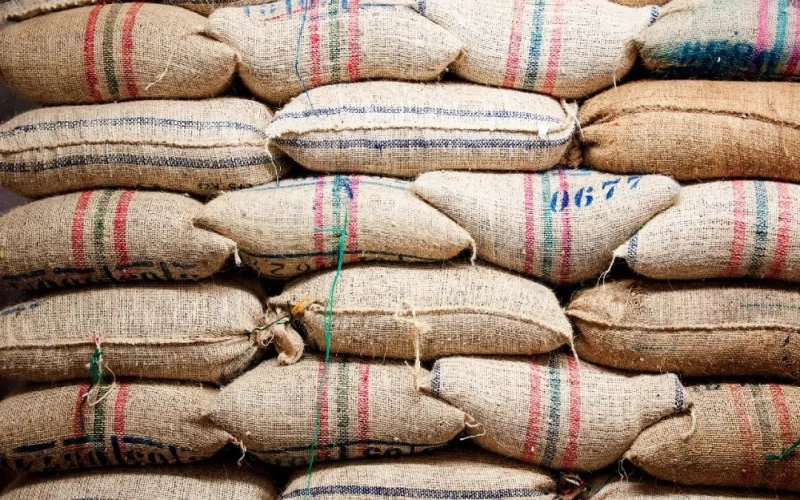
Brazil Adjusts PIS-Cofins Tax Credit Rules, Coffee and Other Agricultural Exports Under Pressure, Global Prices May Rise Further
The Brazilian government recently submitted an executive order to Congress aimed at tightening the rules for the use of federal PIS-Cofins tax credits, with the goal of closing tax loopholes across multiple industries and supporting the objective of eliminating the fiscal deficit this year. However, this move has met strong opposition from the agricultural sector, with exporters of coffee, meat, fruit, grains and other products expected to see revenues fall by 26.3 billion reais. The Brazilian Coffee Exporters Council pointed out that the new rules will increase corporate cash flow pressure and operating costs, potentially triggering food inflation and unemployment, and weakening the international competitiveness of Brazilian coffee. Meanwhile, severe weather in Vietnam has led to reduced production and already pushed up coffee futures prices, and a slowdown in Brazilian exports could further fuel the rally. Notably, Luckin Coffee has signed a memorandum of cooperation with the Brazilian side, planning to purchase about 120,000 tons of coffee beans over the next two years, which brings good news for Brazilian exports. Front Street Coffee reminds enthusiasts to pay attention to the impact of policy changes on the coffee market. [more…]
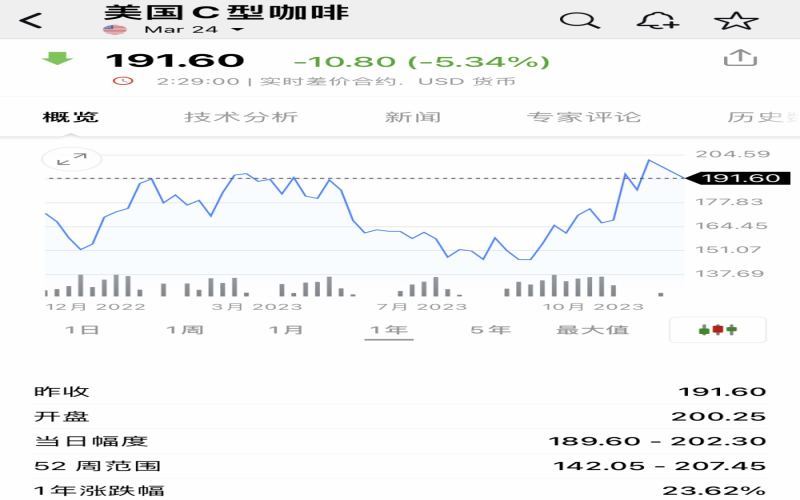
Analysis of U.S. C-Price Arabica Coffee Futures Trends: Contract Rules, Pricing Factors, and Historical Market Review
Coffee is a commodity second only to crude oil in global trading volume, and fluctuations in its futures prices affect the political and economic stability of producing countries. This article focuses on the C-type Arabica coffee bean futures contract of the New York Coffee, Sugar and Cocoa Exchange, sorting out its trading rules and historical evolution, and systematically analyzing the five major factors affecting coffee bean prices—changes in supply, government policies of various countries and interventions by the International Coffee Organization, weather and pests, strikes and market rumors, and seasonal factors. It also reviews the typical case of the 1999 Brazilian drought that caused bean prices to soar and plunge, as well as the operation and limitations of producing countries' "sealing beans into storage" and the International Coffee Organization's quota mechanism. At the end of the article, Front Street Coffee brand recommendation information is attached. [more…]
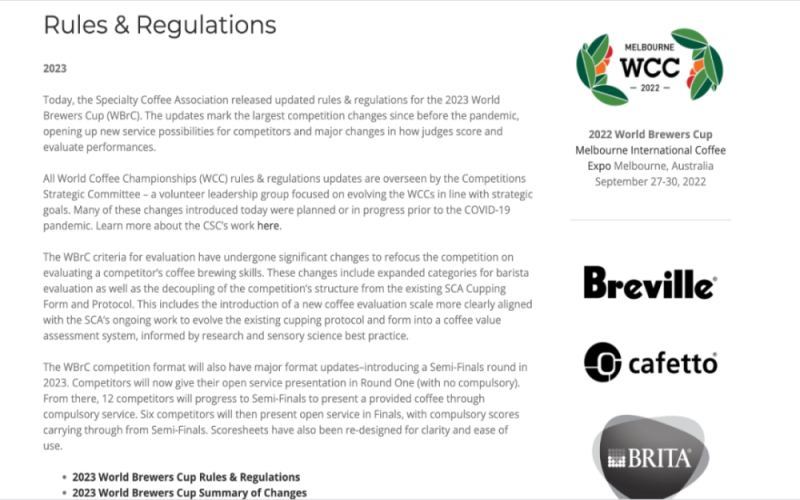
In 2023, the WBC rules underwent a major adjustment: plant-based milk and other animal milks are permitted for use in the Barista Championship.
The Specialty Coffee Association announced on December 22 the new rules for the 2023 World Barista Championship (WBC), World Brewers Cup (WBrC), World Cup Tasters Championship, and Cezve/Ibrik Championship. Among them, the most notable change in the WBC is allowing competitors to use plant-based milk or other animal milks to make milk coffee, breaking the long-standing restriction of using only cow's milk. The WBrC adjusted its evaluation criteria, refocusing on competitors' brewing skills and introducing a new coffee evaluation scale and a semifinal format. This series of changes has sparked widespread discussion in the industry, with some supporting the increased inclusivity and others worried about scoring fairness. This article will outline the specific contents of each rule update and the reactions from all parties. [more…]
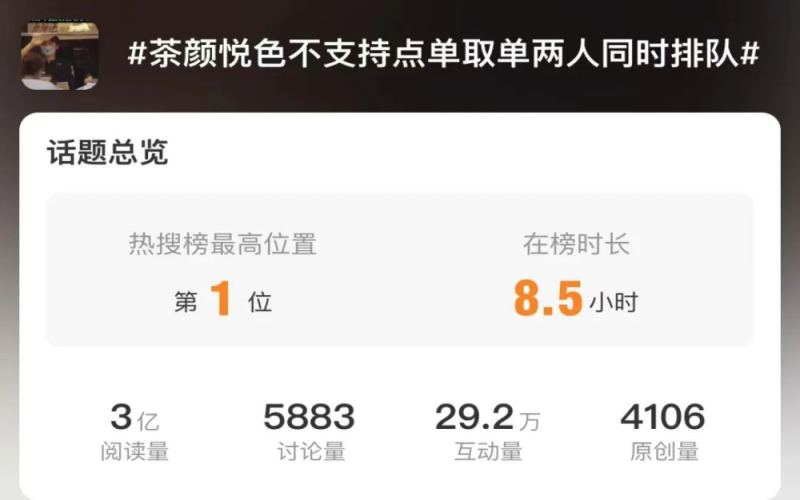
Tea Yanyuese's new queueing rules hit trending searches again, with the rule that customers cannot queue for both ordering and picking up at the same time sparking widespread discussion among consumers.
On the evening of August 5th, Sexy Tea (Chayan Yuese) hit the top of the trending searches due to its rule of "not supporting two people queuing simultaneously for ordering and picking up," with reads reaching 300 million times, sparking intense discussions among netizens. Many consumers questioned that this "standing punishment" queuing was actually hunger marketing, intended to extend customers' stay in the store and create a false impression of a bustling business. In fact, this is not the first time the brand has trended for its queuing rules—at the beginning of the year, some stores required customers to wait on-site after ordering, and leaving meant having to re-queue, and they even closed the mini-program ordering. Some customers reported that a single person had to complete two queues alone, while those with companions could split up, causing those who ordered first to wait longer. The brand had publicly apologized for this, stating that the adjustment was originally intended to enhance the consumption experience and drink taste. This article sorts out the context of the incident and various viewpoints, and includes related recommendations from Front Street Coffee. [more…]

Tea Yanyuese's queueing and ordering rules spark controversy again, official response fails to quell netizens' dissatisfaction
Recently, Chayan Yuese has once again become the center of public attention due to its ordering and pickup rules. Some customers at the Changsha airport store waited nearly fifty minutes before getting their drinks, questioning its cumbersome ordering process and unreasonable marketing methods, which struck a chord with many. In fact, Chayan Yuese has adjusted its ordering rules multiple times, and consumers have kept complaining. Although the company responded officially that the new rules are meant to ensure the texture of the milk foam, netizens were not convinced. This article reviews the course of the incident, the views of various parties, and the brand's response, and explores the logic and controversy behind the queuing phenomenon in the milk tea industry. [more…]

Luckin employees complain about the cumbersome store-closing photo process; unpaid overtime triggers a wave of resignations.
Recently, a Luckin Coffee employee posted on social media complaining that the company's store-closing procedures are too cumbersome, requiring staff to take photos and videos to document materials, which leads to almost daily overtime without overtime pay. Multiple employees followed up confirming similar experiences, pointing out that the strict photo-taking is for food safety and shelf-life management, but the high frequency and insufficient staffing have intensified dissatisfaction. In addition, timeliness assessments also stretch employees thin. These issues have long been ignored by the company, leading to soaring employee resentment, rising turnover rates, and increasingly serious chain problems such as store understaffing and inadequate training. Luckin Coffee now has over 13,000 stores, and employees are calling on the company to face up to its management loopholes. [more…]

Luckin Crackdown on Advance Meal Preparation: A Single Violation Deducts 100 Points from the Store and Requires Closure for Rectification
Luckin Coffee is known for its fast order fulfillment, but recently customers have complained that employees scan codes to mark orders as ready in advance, before the drinks are actually completed. In response, Luckin's headquarters has begun strictly cracking down on such violations. Once auditors discover early order fulfillment, the store will directly have 100 baseline points deducted, causing the performance of all staff to suffer and requiring the store to close for rectification. Faced with the new policy, employees are caught in a dilemma: fulfilling orders early may lead to heavy penalties, while not doing so causes the on-time fulfillment rate to drop noticeably. In understaffed stores, baristas are forced to make a difficult choice between "performance point deductions" and "ugly data," and work pressure has surged. This article compiles feedback from employees in various regions to present the real store ecosystem under Luckin's new rules. [more…]
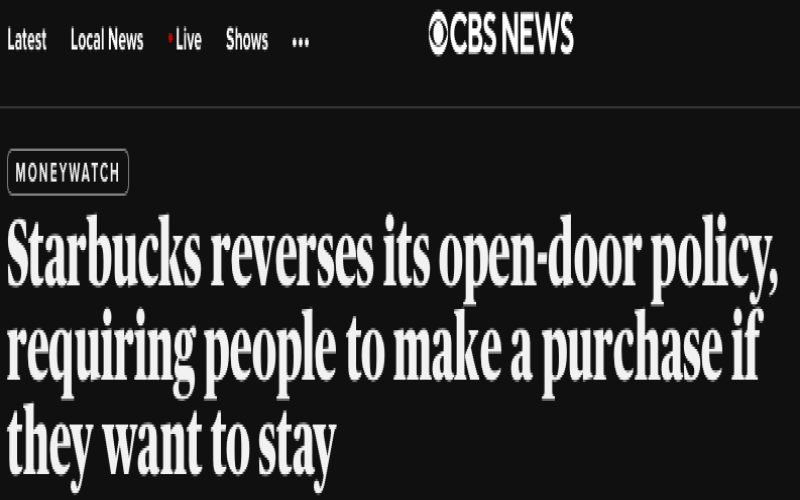
New Starbucks Policy in North America Ends Loitering Without Purchase, Chinese Stores Not Yet Following Suit
Starbucks recently announced the revocation of its long-standing open policy, requiring customers to make a purchase to enter all stores in North America, and introduced a new customer code of conduct. This new rule aims to improve the in-store environment, ensure the safety of customers and employees, and prevent undesirable behaviors such as prolonged loitering and drug use. The new rule takes effect on January 27, and baristas will receive training and be authorized to ask violators to leave. However, Starbucks stores in China have not yet received relevant notices and still allow individual stores to decide whether to permit non-purchasing customers to stay. [more…]
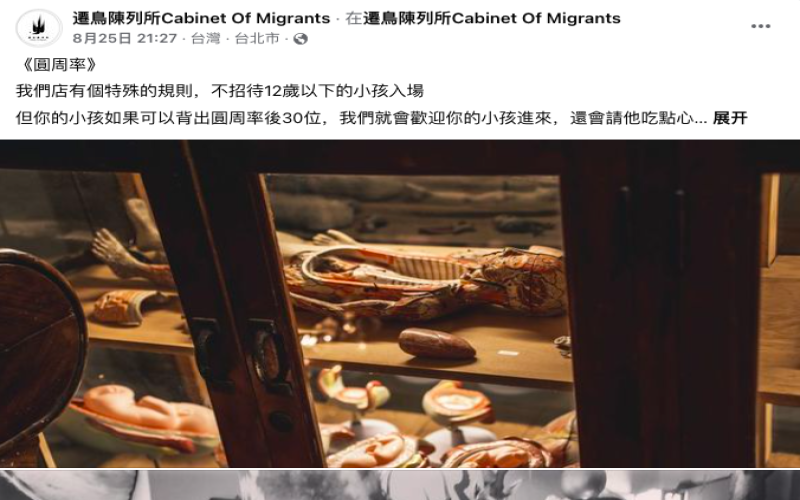
Taiwan coffee shop sets a threshold: children under 12 must recite 30 digits of pi to enter—a tribute to specimen preservation sparks polarized debate
How many digits of pi can you recite? Most people only remember 3.14, and the more impressive ones might manage 3.1415926. But at a coffee shop in Taipei, Taiwan, called "Migratory Bird Exhibition Hall," children under 12 who want to dine inside must accurately recite 30 digits of pi after the decimal point. This unusual rule quickly sparked heated debate, with some criticizing it as discrimination against children and others praising the shop for cleverly creating a fair opportunity for proof. The shop displays over a hundred rare animal specimens, including giraffes, zebras, and peacocks, costing hundreds of thousands each, with the most expensive giraffe specimen priced at 600,000 New Taiwan dollars. The owner admits that this move is both to protect the expensive exhibits and to give children a chance to prove their self-control. So far, a 6-year-old and a 10-year-old have successfully recited 30 digits to enter and dine. [more…]
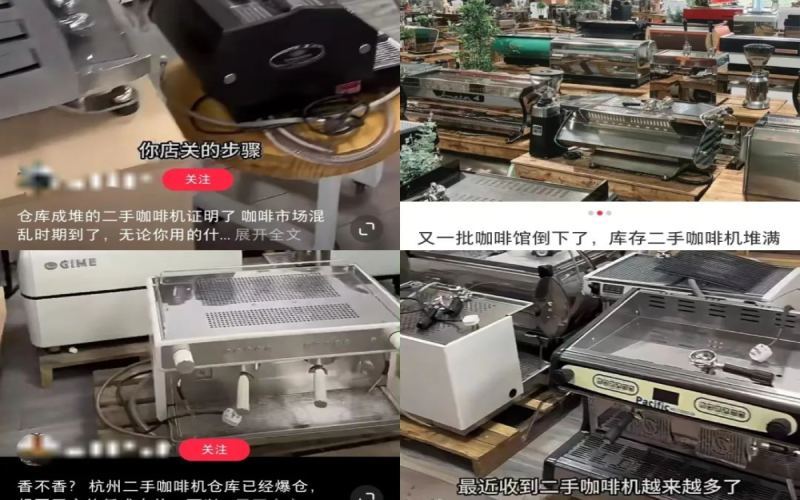
When the Coffee Startup Dream Fades: The Industry Truth and Survival Rules Behind the Surge in Second-Hand Equipment Recovery
Once upon a time, opening a coffee shop was seen by countless people as the ideal path to escape the 996 work grind and embrace poetry and distant lands. Reality, however, is like an unsweetened espresso—bitter enough to catch you off guard. In recent months, warehouses of second-hand coffee equipment recyclers have been bursting at the seams, and self-deprecating posts about "money-losing cafés" have proliferated on social media. From the vengeful wave of shop openings at the start of the year to the current wave of closures, the coffee industry is undergoing a brutal shakeout. Some are cutting their losses helplessly, others are struggling to hang on, and surprisingly, many entrepreneurs' first pot of gold has come from selling off the coffee machines they once bought at great expense. This article takes you deep into this phenomenon, dissecting the business logic and survival challenges behind coffee entrepreneurship—if you're also preparing to open a shop, perhaps you should first read these real stories. [more…]

Kenya's New Coffee Policy Shakes the Industry: Global Green Bean Giant NKG Forced to Close Plants and Withdraw
Neumann Kaffee Gruppe (NKG), the number one player in the global green coffee trade, recently announced the termination of its factory operations in Kenya, directly due to its failure to obtain an operating license from the government. This incident occurred after Kenya implemented the 2019 Coffee Regulations and the 2020 Capital Markets (Coffee Exchange) Regulations, both aimed at enhancing transparency in coffee trading, introducing digital management, and reshaping the regulatory framework. However, delays in license issuance during the implementation of these reforms have already led several companies into operational difficulties—local producer Eaagads saw its sales revenue plummet by 99% within half a year, with a net loss of 33.1 million shillings. Industry insiders worry that if the licensing issues continue to escalate, more traders will choose to exit because they cannot conduct business normally. [more…]
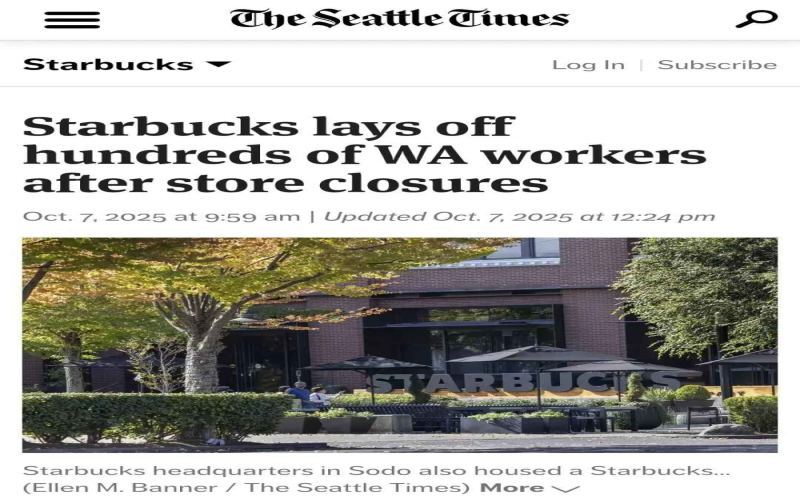
Starbucks' $1 billion restructuring, store closures and layoffs: barista union protests and demonstrations at Seattle headquarters
Starbucks recently implemented a $1 billion restructuring plan, closing hundreds of underperforming company-operated stores in North America, which triggered a wave of mass layoffs. In front of the global headquarters in Seattle's SoDo district, baristas and union members gathered to protest, holding up signs to express strong dissatisfaction with the company's decisions. Laid-off employees said they only learned of their job losses through prerecorded phone calls and social media, without being offered any opportunity to transfer. Union data shows that 59 unionized stores across the United States were permanently closed in this round of adjustments, with 369 people in Washington State facing permanent layoffs. Meanwhile, New York City regulators also pointed out that Starbucks is suspected of violating labor laws. This labor conflict is continuing to escalate, and the union stated that if their demands are not addressed, they do not rule out expanding actions or even going on strike. [more…]

Major adjustment to Starbucks Rewards points rules: the number of stars needed to redeem a free coffee will increase.
Starbucks plans to make major adjustments to its Starbucks Rewards membership program in February 2023, with the redemption thresholds for most items set to rise, while only a few iced drinks will require fewer stars. This change has sparked widespread discussion among consumers, while Starbucks says the move is intended to maintain the long-term sustainability of the Rewards program. As one of the most successful membership programs in the world, Starbucks Rewards has a huge and active user base, and changes to its points rules touch the nerves of many coffee lovers. This article will sort out the details of the adjustment, member reactions, and the brand's official response, and review the program's development history and recent innovative attempts. [more…]

Luckin Employees Post Homemade Drinks With New Product Labels, Consumers Left Empty-Handed at Stores Spark Controversy
Luckin Coffee has always been quick to roll out new products, and many fans keep a close eye on the "Luckin new releases" tag to get first-hand news. However, recently some netizens noticed under that tag a drink called "Luckin Pistachio Coconut Water," which looked fresh and tempting, yet was nowhere to be found on the store menu. It turned out that this drink was actually a homemade concoction whipped up by Luckin employees themselves, but it had been posted on social media under the "Luckin new releases" tag. Similar situations have occurred repeatedly, often racking up thousands of likes, with fans eagerly asking in the comments how to buy it—only to find that none of them could actually purchase it in stores or on the ordering platform. Consumers, full of anticipation, go to the store only to have cold water thrown on their hopes, and dissatisfaction follows. At the same time, employees also face the risk of violating rules; under strict production regulations and monitoring inspections, making private drinks could land both themselves and their stores in trouble. [more…]
How does rainy-season picking affect tea quality? Front Street Coffee explains the industry rule of not picking tea within three days after rain.
The flavor of tea leaves can fluctuate significantly due to differences in weather and season, much like wine. Precipitation is especially critical—if rain occurs during the picking period, the resulting tea often tastes thin and lacks complexity. Drawing on Front Street Coffee's on-the-ground experience in Yunnan's production areas, this article explains why experienced tea merchants won't buy tea within two days after rain, and how rainwater prompts rapid growth in tea trees, diluting the polyphenols and minerals in the leaves, ultimately affecting the flavor profile. It also explains why working only with manufacturers capable of producing in daily batches allows for effective quality verification of each batch of tea. [more…]

A tea beverage store in Wuhan hung a banner accusing headquarters of selling expired milk caps, the brand responded claiming it was fabricated by an employee
Recently, the Wuhan tea beverage brand Zhen Cha Wu drew widespread online attention after one of its franchise stores hung a red banner at its entrance, accusing the company of selling expired cheese milk caps to the store and causing it to be forced to close. The brand later responded that the expired samples were mistakenly mixed in by the supplier, had been scrapped during acceptance inspection, and never entered the market; the store was closed because it repeatedly failed audits. With both sides offering different accounts, the incident exposed management conflicts and food safety control challenges within the tea franchise system. This article sorts out the sequence of events, presents the different statements from the brand and the store, and appends the inspection and assessment rules for readers to understand the full picture. [more…]
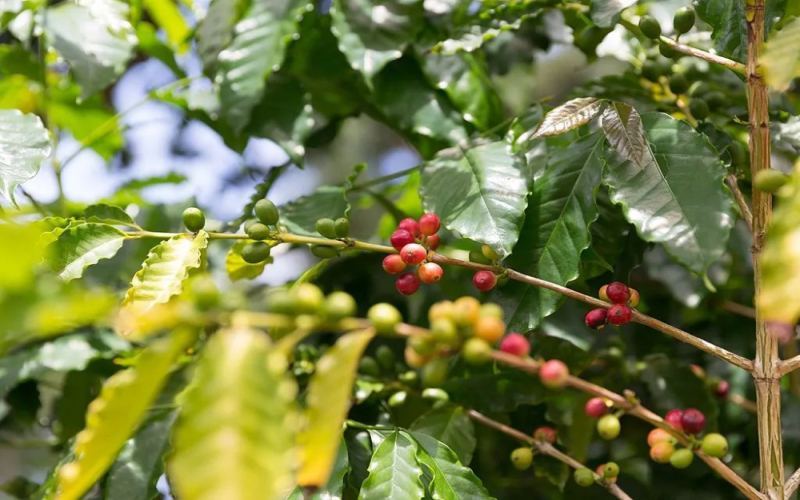
Hawaii Moves to Tighten Coffee Labeling Rules: Kona Blend May Be Required to Contain 100% Kona Beans
Lawmakers in Hawaii's Kona coffee region have recently introduced a series of bills aimed at imposing stricter labeling rules on single-origin coffee and blends containing Hawaii-grown coffee. The core change in the proposals is that the proportion of coffee from a designated region in a blended product would need to rise from the current 25% to 100%, multi-region Hawaii coffee blends would have to list the proportion of each region one by one, and when Hawaii coffee is blended with coffee from other countries, the percentage and Hawaii origin information would also have to be labeled. Accompanying bills also set out enforcement mechanisms, with a proposed fine of $10,000 for each violation. Behind this move is the labeling reform effort that Kona coffee growers and lawmakers have continued to push since 2015, as well as the legal foundation established by a class-action lawsuit involving giants such as Walmart, Amazon, and Costco. [more…]
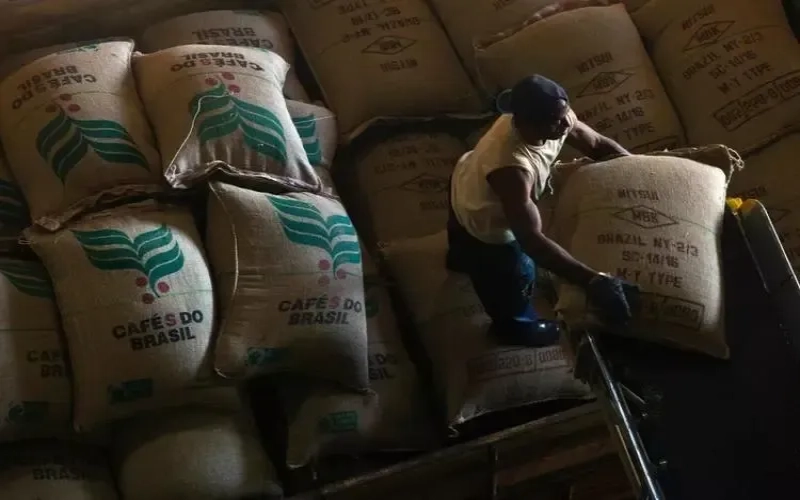
Brazilian Coffee Exports Hit New High Again, Tax Policy Adjustments May Become a Future Concern
The latest report from the Brazilian Coffee Exporters Council shows that Brazil's coffee exports reached 4.397 million bags in May, setting a new record for the month, with a year-on-year increase of nearly 80%, and foreign exchange earnings also hitting a historic high. Cumulative exports in the first 11 months of the 2023/24 harvest year have approached a historic peak, and this year is expected to break the cycle record. The surge in robusta coffee exports has become a highlight, but the La Niña phenomenon in the second half of the year may bring the threat of drought, and coupled with the Brazilian government's new rules tightening tax credits, this may put pressure on the cash flow and global competitiveness of exporting companies. [more…]